




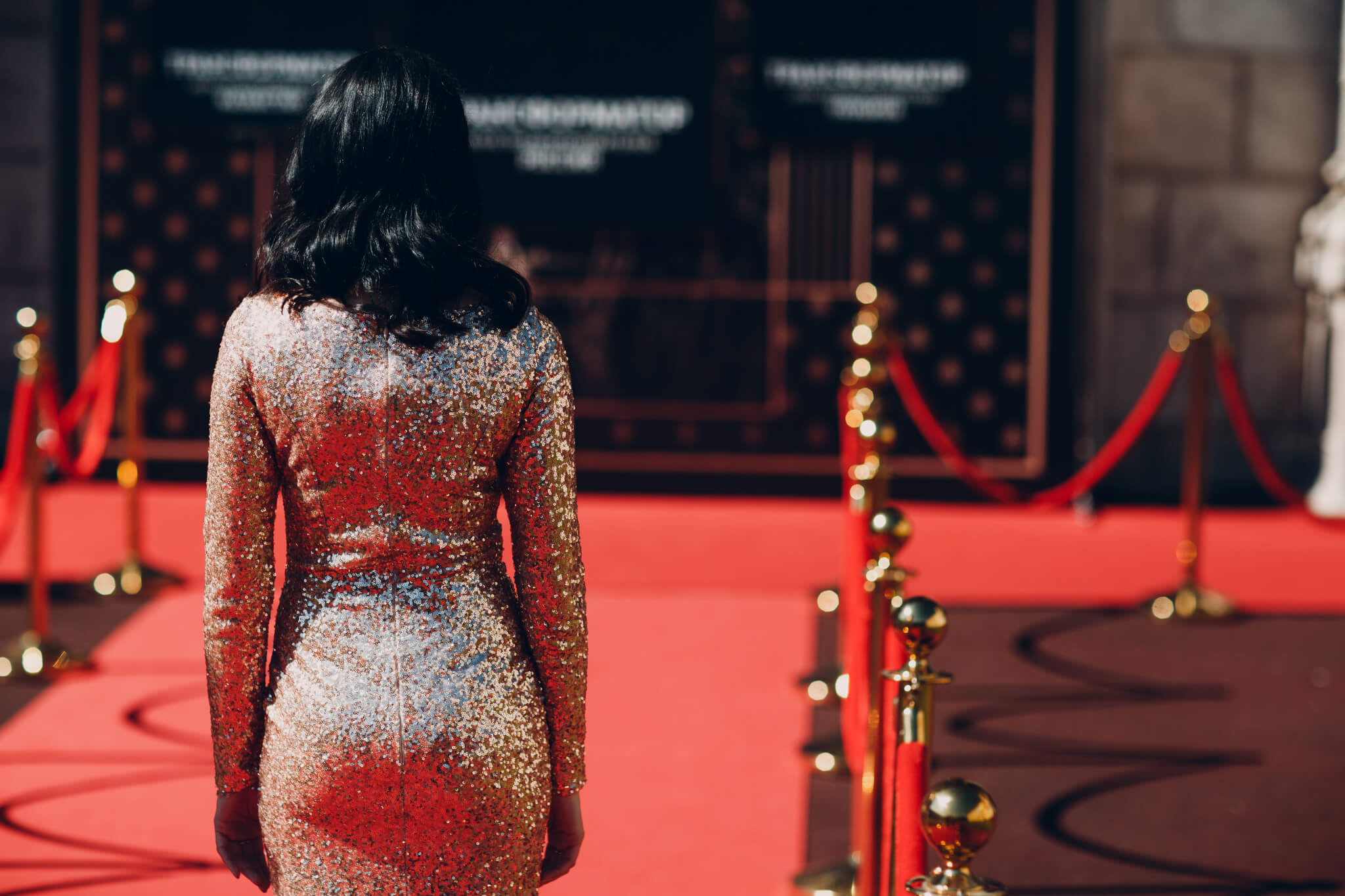
The rapid expansion of the internet has completely transformed what it means to be a celebrity. Once defined by film, fashion, or athletic achievement, A-list status is increasingly determined by visibility on platforms like TikTok and Instagram, where influencers command audiences that often exceed those of traditional celebrities. Consequently, historically cultural and exclusive events like the Met Gala and the Masters have been “infiltrated” with influencer attendees, reshaping the events’ traditional dynamics. For some, this evolution reflects a necessary adaptation to a rapidly changing media environment, which democratizes access and broadens cultural relevance. For others, the inclusion of influencers signals a departure from the original purpose and integrity of these events, raising concerns about commercialization, authenticity, and the erosion of cultural gatekeeping. As the boundary between celebrity and influencer continues to blur, the presence of social media figures at historically prestigious events has emerged as a point of contention.
Michael McCarthy describes what he calls the “Coachella-ization” of the Masters Golf Tournament, arguing that “some traditionalists are taking issue with the Masters’ recent approach” in response to the growing presence of influencers at the tournament (McCarthy, 2026). Similarly, the Met Gala has faced years of criticism over its increasing inclusion of social media personalities. For example, at the 2021 Gala, controversy emerged when the traditionally exclusive guest list –usually composed of actors, musicians, athletes, designers, and cultural elites personally approved by Anna Wintour – expanded to include a more digitally driven group of attendees, including influencers such as Addison Rae, Emma Chamberlain, and Dixie D’Amelio (Durney, 2021). Critics argue that the inclusion of influencers at historically and culturally special events reflects a broader shift away from tradition and toward virality, branding, and online engagement. Because many of these institutions are built upon decades of exclusivity, ritual, and cultural depth, opponents fear that inviting influencers who may lack an understanding of the significance of these events can diminish their prestige and transform them from cultural institutions into social media exposure. This concern is especially salient when influencers –who may not have much traditional media training– are permitted to interview and be interviewed on red carpets, and end up behaving in less-than-sophisticated ways (Lawrence, 2026 and Newman-Bremang, 2025).
Supporters of influencer attendance at exclusive cultural events argue that the backlash against inviting online personalities reflects an outdated understanding of celebrity and cultural relevance in the digital age. For example, Kevin Thomas argues that influencers have “created names for themselves” through the audiences and platforms they have built online, making them just as qualified to attend these events as the “typical A-lister.” Thomas explains that brands and companies intentionally invite influencers to major events because of their ability to generate publicity and engage younger audiences, noting that events such as the Met Gala benefit from the social media attention influencers bring (Thomas, 2021). Supporters, therefore, argue that inviting influencers is not a degradation of these events, but an adaption to modern media culture where online coverage is an increasingly valuable form of influence. Furthermore, others claim that the impact influencers have made on modern fashion make them worthy of being invited to esteemed fashion events. Many influencers, including Emma Chamberlain and Nikkie de Jager, have collaborated with luxury brands represented at events like the Met Gala, making them even more qualified to attend such events than some traditional celebrities. Overall, inviting influencers to renowned events may not only be a strategic business opportunity, it extends opportunities to contributors who have not always been included.
The debate surrounding influencers at historically prestigious events reflects a larger cultural shift in how society defines celebrity, status, and legitimacy in the digital age. On one hand, critics view the growing presence of influencers at institutions like the Met Gala and the Masters Golf Tournament as evidence that tradition and exclusivity are being replaced by virality, sponsorships, and online visibility. On the other hand, supporters argue that these events must evolve alongside modern technology and media. As influencers continue to occupy spaces once reserved for the elite, the tension between preserving heritage and adapting to cultural change will likely continue to grow. Whether this transformation represents the democratization of historically exclusive events or the erosion of their significance remains an open-ended question.
DISCUSSION QUESTIONS
1. What ethical values conflict when prestigious institutions consider inviting influencers to events?
2. What is the difference between celebrities and influencers? How have they been blurred within the last decade?
3. What qualifications does a person need to have for their invitation to significant events be ethically justifiable?
4. To what extent, if any, should exclusive events be democratized and open to all?
5. What creative solutions might satisfy both sides of this debate?
ADDITIONAL INFORMATION
• Durney, E. (2021, September 14). The Met Gala Guest List Sparked A Debate About “Elitism” And Which Celebrities Should Be Invited After This Year’s Red Carpet Saw More YouTubers And TikTokers Than Ever. BuzzFeed News. Available at: https://www.buzzfeednews.com/article/ellendurney/met-gala-guest-list-sparked-a-huge-debate-about-elitism
• Holleran, A. (2026, April 20). Golf Community Has Growing “Concern” With Culture at The Masters. The Spun. Available at: https://thespun.com/golf/golf-community-has-growing-concern-with-culture-at-the-masters
• Lawrence, D. (2026, March 17). Here’s why influencer Jake Shane is facing criticism for his red carpet hosting gig at Vanity Fair Oscars party. Entertainment Weekly. Available at: https://ew.com/here-s-why-influencer-jake-shane-facing-criticism-vanity-fair-oscars-party-11928521
• McCarthy, M. (2026, April 20). The Coachella-ization of the Masters Has Golf Purists Concerned. Front Office Sports. https://frontofficesports.com/coachella-ization-masters-golf-purists-concenred/
• Newman-Bremang, K. (2025, March 10). The Entire Celebrity Interview Ecosystem Is Flawed – It’s Not Just Influencers. Refinery 29. Available at: https://www.refinery29.com/en-us/megan-thee-stallion-hannah-berner-influencers-red-carpet-interviews-journalism
• Thomas, K. (2021, October). Influencers have a right to attend celebrity events. Purple Media Network. Available at: https://purplemedianetwork.com/13847/viewpoints/influencers-have-a-right-to-attend-celebrity-events/
ACKNOWLEDGMENTS
This case was supported by funding from the John S. and James L. Knight Foundation. It can be used in unmodified PDF form in classroom or educational settings. For use in publications such as textbooks, readers, and other works, please contact the Center for Media Engagement at mediaengagement@austin.utexas.edu.

SUGGESTED CITATION
Dilger, M., Williams, K., & Stroud, S. R. (July 2026). Legacy vs. “Likes:” Influencers at Prestigious Events. Media Ethics Initiative, Center for Media Engagement. https://mediaengagement.org/research/influencers-at-events