



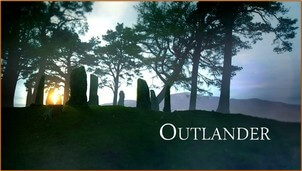
Explicit sexual assault and rape scenes in popular media have been a major controversy in recent years with the television series Outlander being a major offender. Debates around the inclusion of sexual assault and rape in popular television vary greatly with some appreciating the accurate portrayal of these sensitive scenes and others thinking that depictions of sexual assault and rape are a disturbing and unnecessary way to drive a plot.
Outlander revolves around a woman named Claire and her experiences in mid-18th century Scotland after traveling 200 years back in time from the year 1945. The show also follows the relationship between Claire and her Scottish husband Jamie, a man she met during her travels through time. While the plot seems interesting enough, much of the series follows a very sex-driven theme – whether it be consensual or, in most cases, the opposite. Throughout the seven seasons of the show, Claire and Jamie are put in positions where they have to face war, torture, famine, and loss; however, they always find their way out and onto the next difficulty. Unfortunately, situations involving rape and sexual assault plague their lives throughout the entire duration of the show and are graphically depicted numerous times. “Outlander has always been fascinated with the dynamics of sex and power, and by extension with the ways in which sexual assault is used as a weapon” (Dibdin, 2020).
Not only has Outlander included many rape and sexual assault scenes in each and all of the seven seasons that have aired of the television show, but they have filmed and portrayed these scenes in ways that cross many boundaries. This includes showing long and graphic depictions of sexual assault and rape upon men, women, and even children under the age of eleven. The presence of unnecessary nudity in a sexual manner is also involved in these scenes. According to an article by Medium, “the show is notoriously unflinching in its depictions of rape and sexual violence, and frankly, the trope is growing so overused in the series” (Fortune, 2020). Some viewers have even begun to refer to Outlander as “trauma porn” and as a “rape show” due to the unusually high amounts of scenes devoted to these unsettling situations.
While the show continuously depicts rape and sexual violence, there have been three instances that have caused outcry and disgust amongst many fans and viewers. The worst of these instances being the numerous scenes, which take up an entire episode, that show Jamie, Claire’s husband, being brutally raped and sexually tortured by the show’s main male villain, Jack Randall. These scenes are purposefully and extremely detailed, graphic, and lengthy in order to make viewers turn away in disgust and heartbreak. A scene typically brought up in comparison bears Claire as the victim. While Claire has endured a great deal of sexual violence in the show’s seven seasons, viewers were taken aback during a session finale episode where “Claire is brutally beaten, and then bound by the neck as she is repeatedly gang-raped” (Fortune, 2020). These scenes take their toll on the average viewer: “the 20 screen minutes Claire spends in captivity are almost unbearable to watch” (Dibdin, 2020). Another controversial scene centers around the rape of Fergus, a ten-year-old boy in the show, played by a fourteen-year-old actor. In this scene, the sexual assault of the boy is not implied but shown to the viewers as Fergus is held down against his will and raped by Jack Randall. While this scene contains no nudity and is not as graphic as others, watching a scene of this nature play out with a minor is undoubtedly difficult for viewers. The emotional torment these scenes put viewers through calls into question if Outlander’s script writers have their viewers’ mental health and best interests at heart.
In addition to the emotional damage these scenes can give viewers, the question of whether it is ethical to ask an actor to act and put themselves in the mindset of these scenes is also a major concern. According to an interview between Vulture magazine, Outlander’s creative team, and Sam Heughan, the actor who plays Jamie in Outlander, about the behind-the-scenes of Jamie’s brutal rape in season one of the show, the creative team said “[people] literally did not like being in that space, in that cell. It was dark. It was not a happy place to be, whether the actors were in there or not… The darkness wasn’t just the subject matter, but also the lack of light” on set. (Vineyard, 2015). Shooting the rape scene took ten days and had a visible toll on the actors. Heughan recounted “feeling so scared, and actually feeling slightly like [his] trust had been broken a bit, because it was horrific” (Vineyard, 2015). As mentioned, Outlander included a scene involving a child being raped by a significantly older man. Not only does a scene like this visualize and perpetuate criminal behaviors, like all rape scenes do, but it also further exposes child actors “to sexualized, violent and aggressive environments that are unsafe for their integral development” (United Nations, 2024).
Despite the outcries against Outlander’s graphic rape scenes, the producers of the show, as well as many fans, argue that the sexual assault and rape scenes present are key parts of the plot that cannot be removed. Outlander’s script writers have made it clear that they are “well aware of the sensitive and controversial nature of these storylines and have often said their goal is to be true to… the terrifying reality for women of that time period” (Rice, 2020). Not only does the creative team justify these scenes with the argument of maintaining historical accuracy, but they also have made it a point to highlight the aftermath of the sexual violence – demonstrating the show’s attempt to “say something about the experience that can maybe add something positive to the conversation” (Dibdin, 2020). “Outlander isn’t the first show to rely on rape as a plot device to further the story, but it manages to escape a lot of criticism for it because one can argue that it depicts the assault sensitively” by giving characters time and space to process the sexual violence they have endured (Yasmin, 2020). Outlander’s portrayal and sensitivity around male rape is also something that many viewers appreciate. “Male rape is rarely depicted – and often not treated with enough gravity off-screen. The focus [in Outlander’s male rape scene] is entirely on Jamie himself, his recollections, his injuries, and his trauma” (Graceling-Moore, 2019). While very graphic and difficult to watch, this piece of media has added something positive to the conversation of male rape and how to move forward afterward.
In addition to the respectful and sensitive touch Outlander uses to handle these difficult scenes, the show includes trigger warnings before episodes that contain sensitive topics to protect viewers. Also, “the show’s cast members are vocal about warning fans about triggering episodes” which demonstrates their commitment to treating topics around sexual violence with care and placing importance on viewer health and well-being.
Throughout Outlander’s ten-year run, the show has given viewers a depiction of sexual violence that many believe to be powerful and meaningful; however, is the emotional torment and disgust many viewers are left with after viewing graphic scenes containing rape and sexual violence what is best for both viewers and the actors participating in the scenes?
Discussion Questions:
- What are some of the ethical concerns with Outlander’s graphic, lengthy, and copious rape and sexual assault scenes?
- Should television producers be more focused on historical accuracy and attention-catching themes or the well-being of their viewers? Are entertainment producers and show writers responsible for the mental well-being of their viewers?
- What are some ethical principles that entertainment producers and writers can follow to best benefit and protect their viewers while creating their artworks?
- Is it ethical to subject child actors in the entertainment industry to emotionally harmful and distressing ideas like rape and sexual assault? Where should the line be drawn?
Further Information:
Dibdin, E. (2020). “Caitriona Balfe on Claire’s Trauma in the Outlander Season 5 Finale” Harper’s Baazar. Available at: https://www.harpersbazaar.com/culture/film-tv/a32377514/caitriona-balfe-Outlander-season-5-fin ale-interview/
Fortune, B. (2020). “On ‘Outlander’ and Sexual Assault” Medium. Available at: https://medium.com/@brookefortune/on-Outlander-and-sexual-assault-49cfc5fbe9bc
Garner, G. (2022). “Outlander’s Sam Heughan Says ‘Unnecessary’ Full Frontal Shot in Graphic Rape Scene ‘Did Betray My Trust’” People. Available at: https://people.com/tv/Outlander-sam-heughan-felt-betrayed-unnecessar-full-frontal-rape-scene/
Graceling-Moore, R. (2019). “Outlander Uses Sexual Violence The Way Game of Thrones DOESN’T” ScreenRant. Available at: https://screenrant.com/Outlander-rape-scene-game-thrones-comparison-better/
Rice, L. (2020). “We Need to Talk About Rape on Outlander” Entertainment Weekly. Available at: https://ew.com/tv/Outlander-season-5-finale-claire-shocker/
United Nations. (2024). “‘Widespread’ Sexual Abuse of Children in Entertainment Business Revealed” Available at: https://news.un.org/en/story/2024/03/1147247
Vineyard, J. (2015). “The Story Behind Outlander’s Disturbing Season One Finale” Vulture. Available at: https://www.vulture.com/2015/05/Outlander-season-finale-the-story-behind-it.html
Yasmin, S. (2020). “Outlander Has a Serious Rape Problem” Medium. Available at: https://medium.com/@shahana.yasmin91/Outlander-has-a-serious-rape-problem-f352fa63d171. https://www.buzzfeednews.com/article/jackstuef/branded-for-life
Authors:
Madison Wells & Scott R. Stroud, Ph.D.
Media Ethics Initiative
Center for Media Engagement
University of Texas at Austin
May 13, 2025
Cases produced by the Media Ethics Initiative are for educational use only and remain the intellectual property of the Media Ethics Initiative and the Center for Media Engagement. This case was supported by funding from the John S. and James L. Knight Foundation. This case can be used in unmodified PDF form in classroom or educational settings. For use in publications such as textbooks, readers, and other works, please contact the Center for Media Engagement.
Ethics Case Study © 2025 by Center for Media Engagement is licensed under CC BY-NC-SA 4.0