

Academic Publications
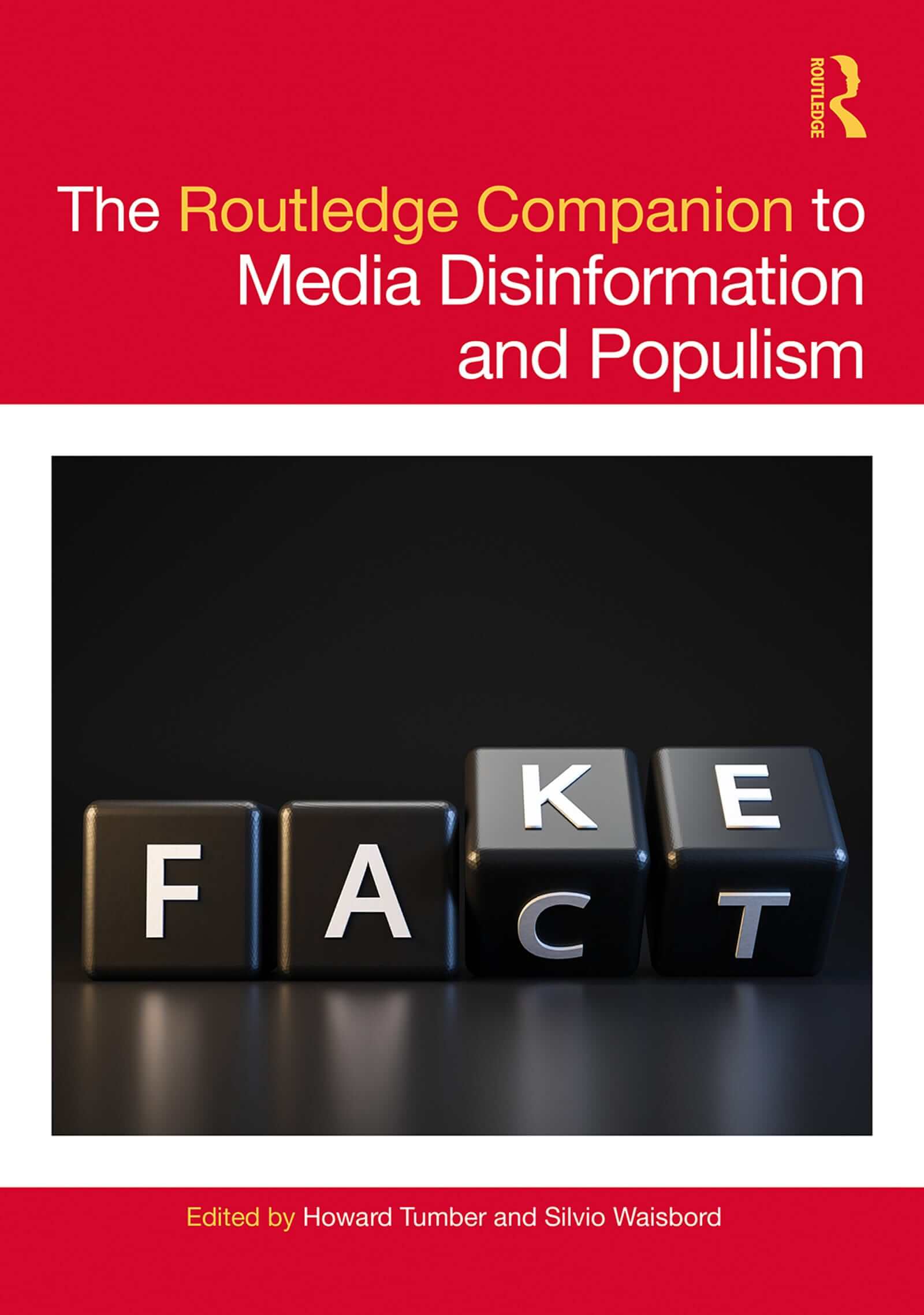
The evolution of computational propaganda: Theories, debates, and innovation of the Russian model
The Routledge Companion to Media Disinformation and Populism

Probabilistic social learning improves the public’s judgments of news veracity
PLOS ONE 16(3): e0247487

The Moderating Role of Emotion: The Combinatory Effects of Positive Emotion and News Framing Techniques on Climate Change Attitudes
Journalism & Mass Communication Quarterly
Person, Place, or Thing: Individual, Community, and Risk Information Seeking
Science Communication
The story behind the story: Examining transparency about the journalistic process and news outlet credibility
Journalism Practice (in press)

What’s in a label? The effect of news labels on perceived credibility
Journalism (in press)

The effects of news site design on engagement and learning
Journalism Practice (in press)

Online bandwagon effects: Quantitative versus qualitative cues in online comments sections
New Media & Society

Exploring “angry” and “like” reactions on uncivil Facebook comments that correct misinformation in the news
Digital Journalism, 9:8, 1103-1122

Dialectics of complexity: A five-country examination of lived experiences on social media
Social Media + Society, 6(4)
Science Communication Training in North America: Preparing Whom to Do What With What Effect?
Science Communication

Effects of COVID-19 Misinformation on Information Seeking, Avoidance, and Processing: A Multicountry Comparative Study
Science Communication
Exploring scholars’ public engagement goals in Canada and the United States
Public Understanding of Science

Does online incivility cancel out the spiral of silence? A moderated mediation model of willingness to speak out
New Media & Society (in press)
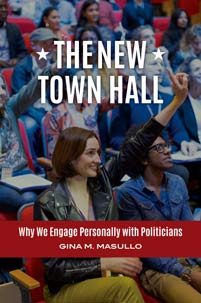
The new town hall: Why we engage personally with politicians
Praeger
Computational propaganda and the news: Journalists’ perceptions of the effects of digital manipulation on reporting
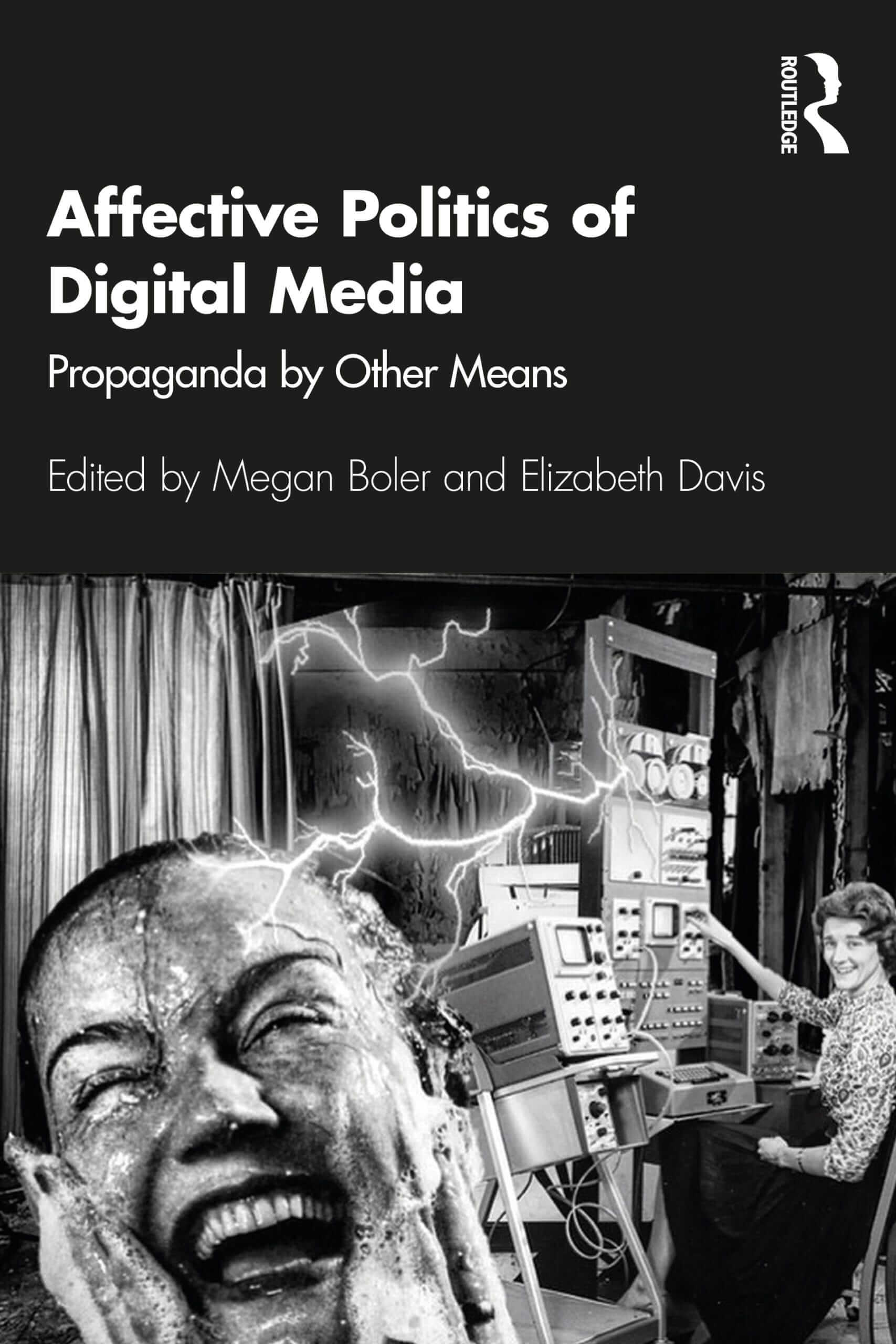
Affective Politics of Digital Media: Propaganda by Other Means
Engagement moderation: What journalists should say to improve online discussions
Journalism Practice (in press)
Politicians, social media, and digital publics: Old rights, new terrain
American Behavioral Scientist, 64(11), 1646-1669
Bots and computational propaganda: Automation for communication and control
Social Media and Democracy, Cambridge University Press

Evoking empathy or enacting solidarity with marginalized communities? A case study of journalistic humanizing techniques in the San Francisco Homeless Project
Journalism Studies, 21(12), 1705-1723
Contribution of Training to Scientists’ Public Engagement Intentions: A Test of Indirect Relationships Using Parallel Multiple Mediation
Science Communication
Public communication by research institutes compared across countries and sciences: Building capacity for engagement or competing for visibility? Title
PLoS ONE 15(7): e0235191

‘You really have to have a thick skin’: A cross-cultural perspective on how online harassment influences female journalists
Journalism: Theory, Practice, and Criticism, 20(7), 877-895
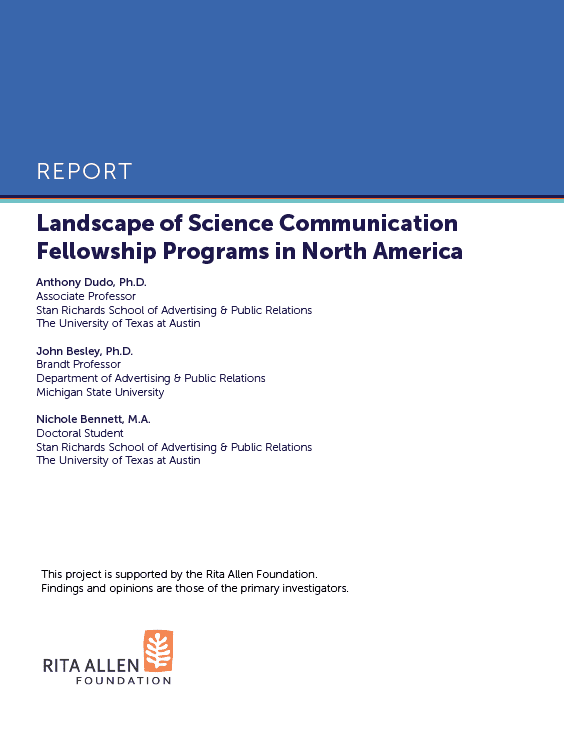
Strengthening Science Engagement Fellowships through New Connections and Inclusion
Rita Allen Foundation

Outbreak! Socio-cognitive motivators of risk information sharing during the 2018 South Korean MERS-CoV epidemic
Journal of Risk Research

The downsides of digital labor: Exploring the toll incivility takes on online comment moderators
Computers in Human Behavior, 107, 1-9
From hanging out to figuring it out: Socializing online as a pathway to computational thinking
New Media & Society
Predicting perceptions of incivility across 20 news comment sections
Journalism (in press)

Media and intervention: Examining representations of Afghan women in the New York Times
Journalism Practice, 15(5)
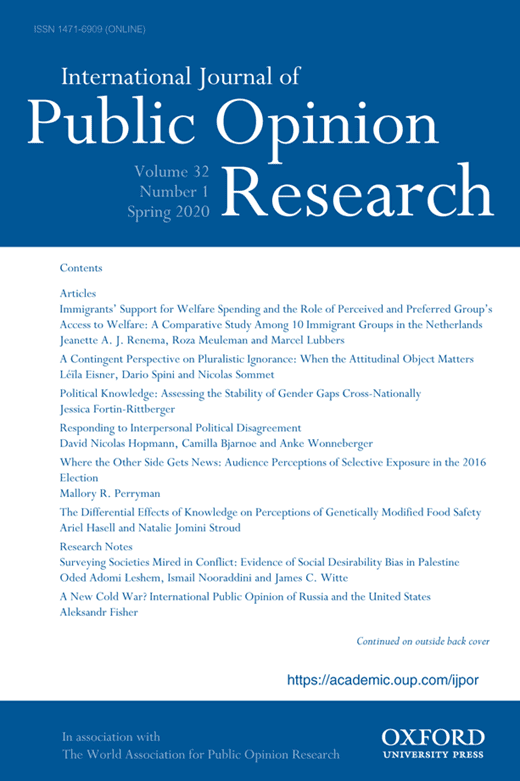
The Differential Effects of Knowledge on Perceptions of Genetically Modified Food Safety
International Journal of Public Opinion Research, 32(1), 111-131